Fire safety is a fundamental responsibility for anyone who owns, manages or occupies a commercial or residential building in the United Kingdom. Among the most visible and immediately accessible tools in any fire safety strategy, portable fire extinguishers play a vital role in limiting damage, protecting lives and satisfying the legal obligations placed upon building occupiers and owners alike.
At a glance
- Portable fire extinguishers serve as a critical first line of defense to contain small fires and provide extra time for safe building evacuation.
- Building managers must select the appropriate type of extinguisher, such as water, foam, powder, CO2, or wet chemical, based on the specific fire risks of their premises.
- UK legislation requires a designated ‘Responsible Person’ to conduct a written fire risk assessment and ensure the presence of suitable firefighting equipment.
- Commercial buildings must adhere to strict placement standards, including having at least two Class A extinguishers per floor and clear safety signage.
- Legal compliance mandates monthly visual inspections, annual professional servicing by qualified engineers, and a major equipment overhaul every five years.
- Employers are responsible for providing regular fire safety training and drills to ensure staff know how to identify hazards and use equipment safely.
Why Fire Extinguishers Are a Critical Line of Defence Against Fire
When a fire breaks out, the first few moments are often the most decisive. A well-placed and properly maintained fire extinguisher can mean the difference between a small, contained incident and a devastating blaze. Indeed, with over 20,000 commercial fires occurring each year across the UK, the value of active fire protection measures cannot be overstated. Fire extinguishers are not merely a box-ticking exercise, they are a genuine first line of defence that buys precious time for emergency evacuation and limits the spread of fire before the emergency services arrive.
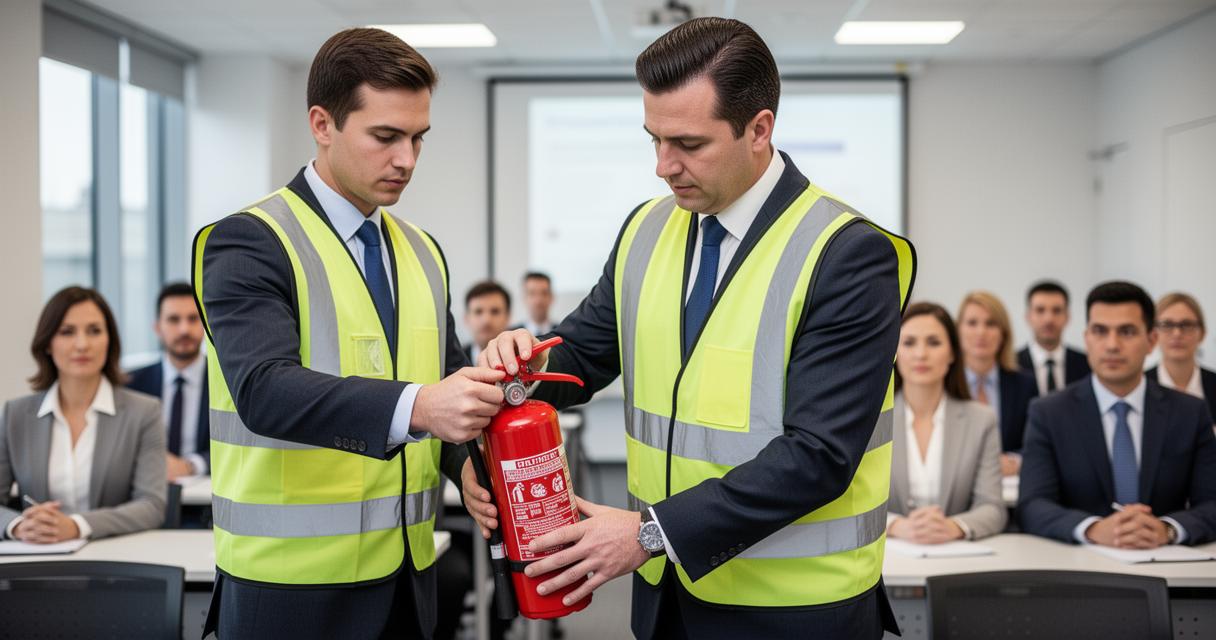
How fire extinguishers help contain fires before they spread
The primary function of a fire extinguisher is to tackle a small, contained fire at its earliest stage. The guiding principle here is sometimes described as the rule of one fire, one extinguisher, meaning a single extinguisher should only be used against a fire that remains manageable. Crucially, an extinguisher should only be deployed once the alarm has been raised, evacuation has begun, and the user is confident the fire is small enough to tackle safely. If the fire has grown too large, if there are escaping gases, or if the room is filled with smoke, fire fighting equipment should be left alone and the building evacuated immediately. This cautious approach ensures that workplace fire safety measures protect rather than endanger staff.
Choosing the Right Type of Fire Extinguisher for Your Premises
Not all fires are the same, and selecting the appropriate extinguisher for a given environment is essential. There are five main fire extinguisher types recognised in the UK: Water extinguishers, identified by a red label, are suited to Class A fires involving solid materials such as wood or paper. Foam extinguishers, marked in cream, cover Class A and Class B fires, including flammable liquids. Dry Powder extinguishers, in blue, are versatile and address Class A, B and C fires as well as electrical hazards. CO2 extinguishers, marked in black, are particularly effective against electrical fires and Class B fires. Finally, Wet Chemical extinguishers, in yellow, are designed for Class F fires involving cooking oils and fats. Ensuring the correct extinguisher is available for each area of a building is a central element of any thorough fire risk assessment.
Fire extinguisher requirements under uk fire safety legislation
Fire safety in the UK is governed by a robust legislative framework. The Regulatory Reform (Fire Safety) Order 2005, which applies in England and Wales, sets out the core duties for those responsible for commercial and non-domestic buildings. In Scotland, the Fire (Scotland) Act 2005 applies, whilst in Northern Ireland the relevant legislation is the Fire and Rescue Services (Northern Ireland) Order 2006. More recently, the Fire Safety Act 2021 and the Fire Safety (England) Regulations 2022 have introduced enhanced requirements, particularly for residential buildings. Together, these pieces of fire safety legislation establish a comprehensive duty of care for building managers and employers.
Key Legal Obligations for Businesses and Property Owners in the UK
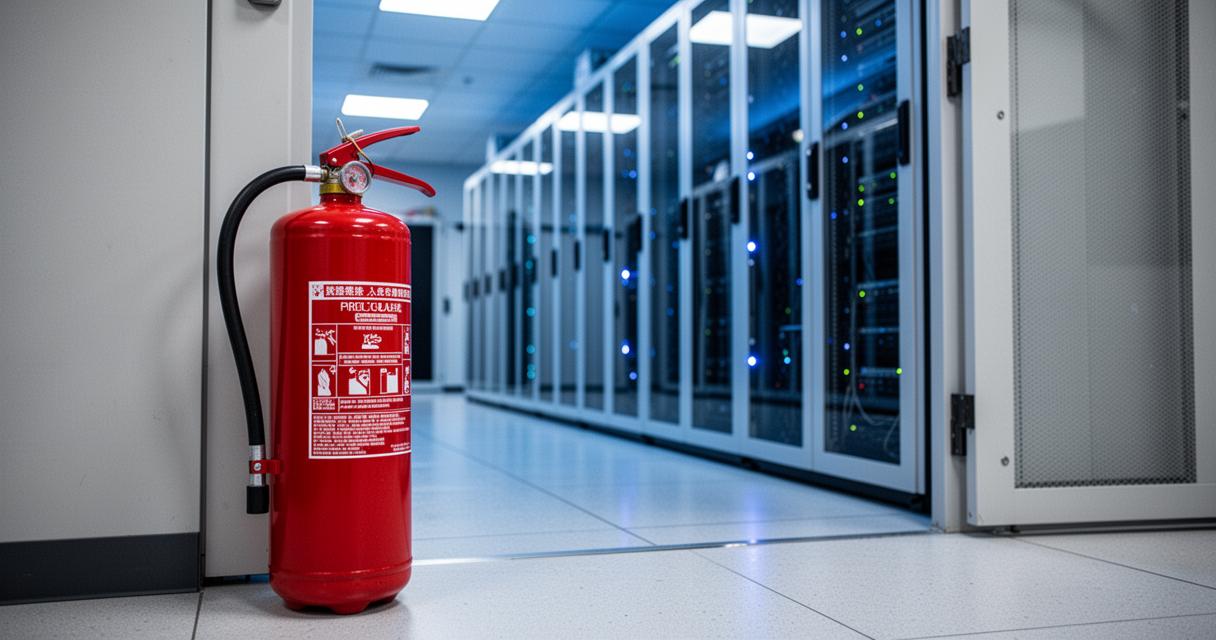
At the heart of fire safety regulations is the concept of the Responsible Person. Every business and building must designate an individual (the Responsible Person) who is accountable for ensuring fire safety compliance. This duty includes conducting a fire risk assessment, which is a legal requirement and must be recorded in writing for any business with five or more employees. The assessment must identify fire hazard identification risks and determine the appropriate number and type of extinguishers required. UK law mandates that commercial building fire safety provisions include at least two Class A fire extinguishers on every floor, unless the premises are very small. Extinguishers must be positioned near exits, installed at a height of between 900mm and 1200mm from the floor, and within 30 metres of any individual on the floor. Fire safety signage, including Fire Action Notices and extinguisher identification signs, must also be clearly displayed. The Responsible Person must additionally nominate trained members of staff to act as fire marshals and to take charge of firefighting measures where appropriate. Failure to comply with these obligations can result in fines, legal action and serious insurance complications.
Maintaining and Inspecting Fire Extinguishers to Stay Compliant
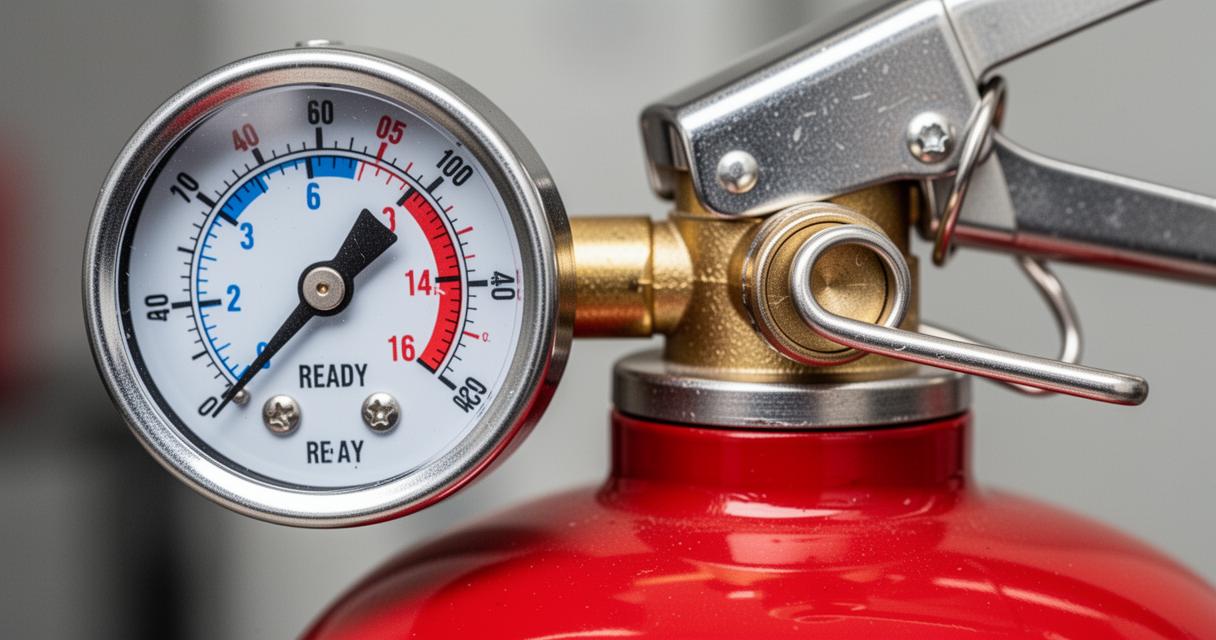
Fire safety maintenance is not a one-off task but an ongoing commitment. Monthly fire inspections of all extinguishers are required to confirm that they remain in position, undamaged and fully charged. These visual checks should be recorded in a dedicated logbook, which must be kept up to date at all times. Beyond monthly checks, annual fire extinguisher servicing by a qualified engineer is a legal obligation, ensuring that each unit functions correctly and meets the required standards. In addition, a major overhaul is required every five years. Fire safety training for all staff is equally important, employees should understand how to use extinguishers correctly, know the location of all equipment, and be familiar with the emergency evacuation procedure. Regular fire drills and annual refresher training help embed this knowledge and ensure the whole team is prepared should the worst occur.
Ultimately, investing in the correct fire fighting equipment, maintaining it diligently and ensuring all staff receive proper fire safety training is not simply a matter of legal compliance, it is a fundamental commitment to the safety and wellbeing of everyone on the premises.
